LPG Rules Change From May 1: Consumers should link their registered mobile number to their LPG account. Check the next booking date on the MyLPG portal before May 1.
Overview of Upcoming LPG Changes
As May 1 approaches, India prepares to roll out major LPG reforms. These changes will impact millions of households nationwide. The government aims to improve transparency and control misuse. Moreover, the new system targets hoarding and illegal diversion.
India’s three major oil companies are leading this transition. These include Indian Oil Corporation, Bharat Petroleum, and Hindustan Petroleum. Together, they are finalising stricter rules for LPG booking and delivery.
Revised LPG Booking Interval
First, the government has increased the booking interval for LPG cylinders. Earlier, urban users could book every 21 days. Now, they must wait at least 25 days.
In contrast, rural consumers face an even longer waiting period. They may need to wait up to 45 days between bookings. This change intends to prevent excessive or unnecessary bookings.
Additionally, the system will strictly enforce this rule. It will automatically block early booking attempts. Therefore, customers must carefully track their eligibility dates.
As a result, households should plan their LPG usage more efficiently. This adjustment will likely reduce panic bookings. Furthermore, it ensures fair distribution across regions.
Mandatory OTP-Based Delivery System
Next, the government has strengthened delivery verification. The Delivery Authentication Code system becomes compulsory from May 1. This system is also known as OTP-based delivery authentication.
Previously, customers could show a physical booklet or receipt. However, this method is no longer valid. Instead, customers must verify delivery through a One-Time Password.
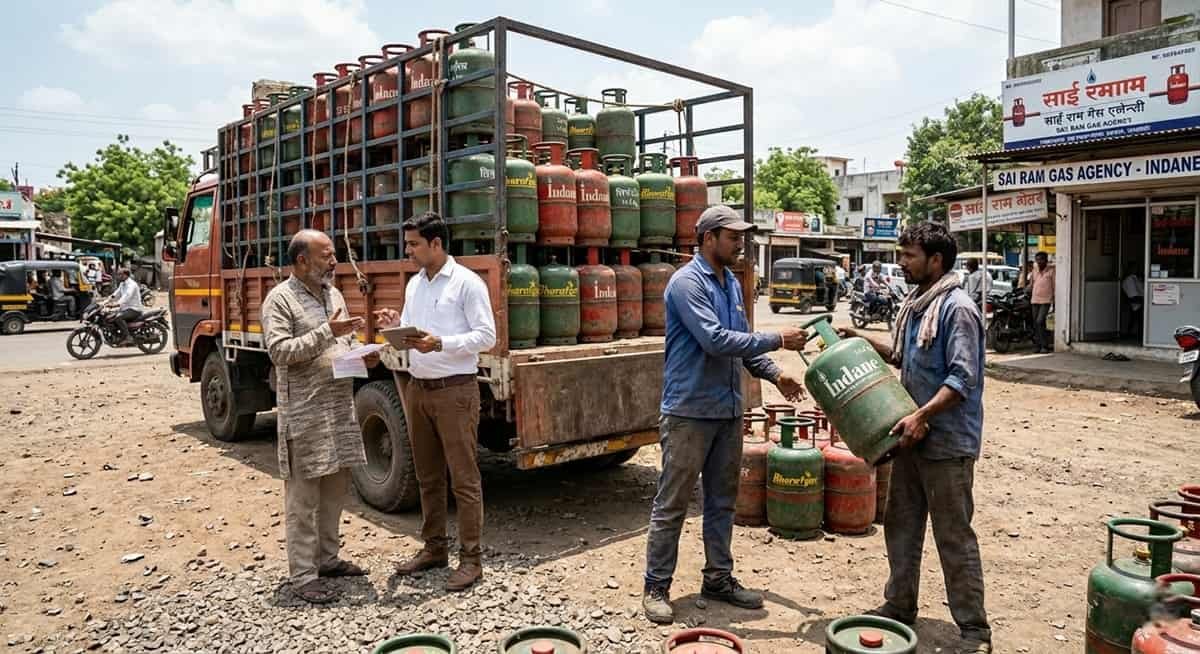
When a refill is booked, the system sends an OTP to the registered mobile number. The delivery agent must enter this code to complete the process. Without the OTP, the delivery cannot proceed.
Importantly, this step increases accountability. It ensures that the correct person receives the cylinder. Moreover, it reduces the chances of theft or diversion.
According to government data, OTP-based deliveries already exceed 94.5 percent. Therefore, the system has proven effective. Now, it becomes mandatory for all users.
Expected LPG Price Revisions
Meanwhile, LPG prices have already increased in recent months. The global situation has influenced these changes. Specifically, the US-Israel-Iran conflict has disrupted supply chains.
As a result, oil companies raised domestic LPG prices. A 14.2 kg household cylinder now costs Rs 60 more. This increase affects everyday consumers directly.
Additionally, commercial cylinders have seen steeper hikes. The 19 kg cylinders experienced multiple price increases within a short time. Businesses such as restaurants face higher operational costs.
Furthermore, experts expect another revision by May 1. Although not confirmed, the trend suggests continued upward pressure. Therefore, consumers should prepare for possible price adjustments.
Aadhaar-Based eKYC Requirement
Another important change involves identity verification. The government has made Aadhaar-based eKYC mandatory for certain users. This rule mainly applies to beneficiaries of the Pradhan Mantri Ujjwala Yojana.
Under this scheme, low-income households receive subsidised LPG connections. However, they must now complete biometric authentication. This step ensures that benefits reach the rightful recipients.
Importantly, the rule applies only to those who have not completed eKYC earlier. Existing verified users do not need to repeat the process. Still, unverified users must act quickly.
Moreover, this measure aims to eliminate fake or duplicate accounts. It also improves the efficiency of subsidy distribution. Consequently, genuine beneficiaries will benefit more.
LPG Supply and Demand Situation
At the same time, India faces supply challenges. Global disruptions have affected crude oil availability. Therefore, LPG supply chains have become strained.
India consumes approximately 80,000 tonnes of LPG daily. However, domestic production meets only about 46,000 tonnes. This gap creates a significant shortfall.
To address this issue, companies are increasing imports. Notably, shipments from the United States will help bridge the gap. These deliveries are expected between June and July.
Until then, supply may remain tight. As a result, efficient distribution becomes even more important. The new rules support this objective.
What Consumers Should Do
Given these changes, consumers must take proactive steps. First, ensure that your mobile number is linked to your LPG account. Without this, OTP-based delivery will fail.
Next, regularly check your booking eligibility date. You can do this through official platforms like the MyLPG portal. This step prevents rejected booking attempts.
Additionally, complete your eKYC if required. Especially if you are a subsidy beneficiary, do not delay this process. Otherwise, you may lose access to benefits.
Furthermore, monitor LPG price updates. Staying informed helps you manage your household budget better. It also prepares you for sudden cost increases.
Final Thoughts about New LPG Rules
Overall, these reforms aim to create a fair and transparent LPG system. They focus on reducing misuse and improving efficiency. Although some changes may feel restrictive, they serve a larger purpose.
For instance, longer booking intervals discourage hoarding. Similarly, OTP-based delivery ensures accountability. Meanwhile, eKYC strengthens subsidy targeting.
However, consumers must adapt quickly. Awareness and preparation are essential during this transition. By following the new rules, users can avoid inconvenience.
In conclusion, the upcoming LPG changes mark a significant shift. They reflect the government’s effort to modernise fuel distribution. With proper planning, households can navigate these changes smoothly.
New LPG Rules | New LPG Rules