Human reactions are marvelously complex, each one shining through the prism of our unique personalities, environments, and backgrounds. Why do we sometimes surprise ourselves in stressful moments, or respond differently to the same event at another time? The answer lies in the blend of factors, obvious and subtle, that underlie every response we have to life’s events.
The Building Blocks of Human Reaction
Before jumping into specific examples, let’s lay out the main ingredients that drive how we react:
- Personality: Our fundamental characteristics, whether we’re outgoing, anxious, open-minded, or detail-oriented, shape instant reactions—from giddiness in new situations to nerves in uncertainty.
- Life Experience: History matters. The lessons and wounds of our past subtly nudge us toward certain emotional patterns. A single event can rewire how we experience and interpret similar moments in the future.
- Culture: Customs and norms invisibly guide our behavior. A gesture or word perfectly acceptable in one corner of the world might offend elsewhere. These scripts filter our responses.
- Social Setting: We’re tuned into group dynamics. Surrounded by others, we often align our behavior to fit, whether it’s matching laughter or holding back disagreement.
- Thought Patterns: Our habitual ways of thinking, whether we interpret an event as a threat or a challenge, dictate how we feel and act.
- Physical State: Fatigue, hunger, or stress can tip the scales. Even the most even-tempered person can be thrown off by physical distress.
- Personal Goals: What we want out of a situation steers our actions. Are we seeking harmony, justice, and advancement?
Responses in Action: A Quick Tour
So, how do these elements dance together in real life?
Receiving Unexpected News
- Good News: Joy, skepticism, celebration, or quiet disbelief—reaction depends on personality, past letdowns, and social context. Some shout it from the rooftops; others savor it privately.
- Bad News: Emotions can run from numbness to anger to acceptance. Everyone processes loss or disappointment differently, following no set schedule.
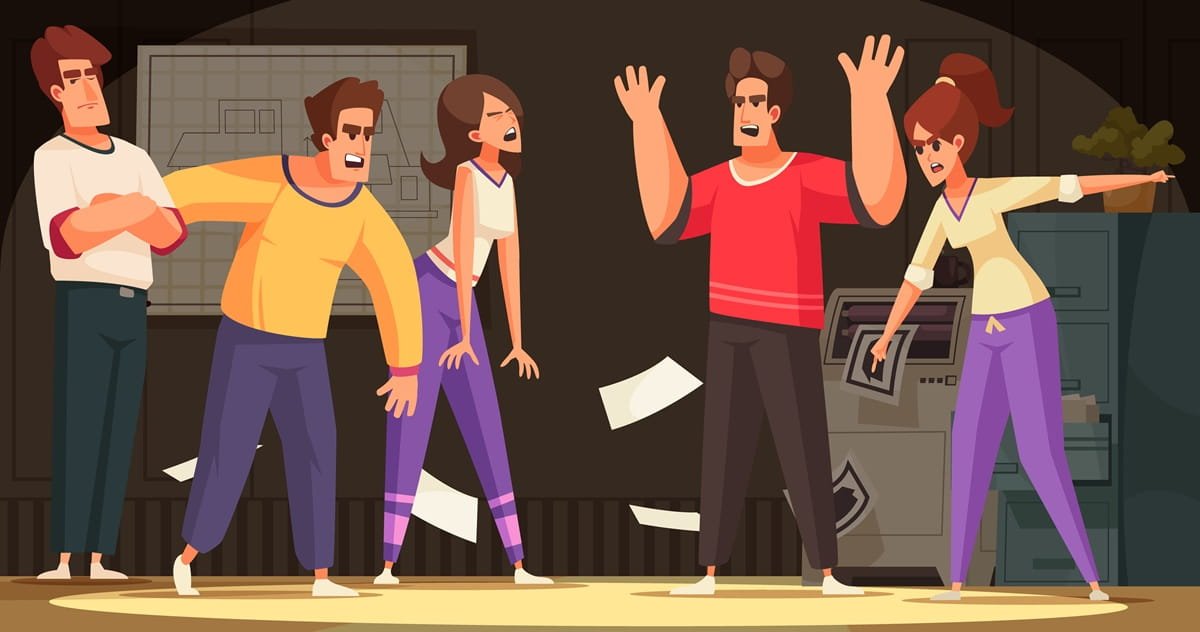
Facing Conflict
- High Stakes: Some rise to the challenge, negotiating assertively; others avoid or react emotionally, depending on temperament and previous experiences.
- Minor Disagreements: Small irritations may be brushed aside or turn into bigger disputes, shaped by mood, relationship, and coping styles.
Under Stress
- Fight or Flight: Stress can sharpen focus for some, while overwhelming others. Perception is key—seeing stress as a challenge vs. a threat makes all the difference.
- Coping: Some tackle problems head-on, others seek support, while a few withdraw. Habits of mind direct strategy.
Witnessing Injustice
- Direct Experience: People may speak out, seek redress, or withdraw. The threshold for action is influenced by temperament, power, and beliefs about fairness.
- As a Bystander: Some feel compelled to intervene; others freeze or stand back, a phenomenon called the bystander effect.
Interacting with Strangers
- Outgoing vs. Reserved: Some thrive on new encounters, while others shrink away. The reason is grounded in both genes and environment.
- Situation and Culture: Whether it’s small talk at a bus stop or formality in a bank, reactions are set by unwritten rules all around us.
The Art of Understanding
Every individual is, in many ways, a walking mosaic of intricate influences. The more we appreciate this, the kinder and more effective we become—in families, friendships, teams, or even with strangers on the street.
- There’s no single “right” reaction in any situation.
- Our behaviors are informed by a web of factors.
- Empathy and curiosity make all the difference—asking why, not just judging how.
- Getting to know our own triggers and tendencies creates more space for thoughtful action.
By seeing the rich tapestry behind every human reaction, we can all help build a more accepting, insightful world, one unique response at a time.
Frequently Asked Questions
1. Why do some people cry at minor setbacks while others seem unshakable?
Emotional expression depends on temperament, upbringing, social norms, and coping habits.
2. Can someone learn to react differently with practice?
Absolutely! Through self-awareness, emotional regulation, and new experiences, people can reshape responses.
3. Are reactions to stress inherited or learned?
Both. Genetics and environment play roles. Families pass down coping strategies along with biology.
4. Is culture more important than personality in shaping reactions?
It depends. Sometimes culture dominates, sometimes personality overrides—it’s always a mix.
5. What is the bystander effect?
It’s a social phenomenon where people are less likely to help a victim when others are around, due to diffused responsibility.
6. How does physical health influence reactions?
Poor health, fatigue, or hunger can reduce patience and amplify emotional responses.
7. Why do people sometimes regret their reactions?
Hindsight allows reflection; often, strong emotions or lack of information drive immediate responses we later review differently.
8. Can mindfulness help with better reactions?
Yes, mindfulness increases awareness of triggers and creates a pause before reacting, supporting wiser choices.
9. Is it possible to change ingrained reactions as adults?
With effort and practice, most automatic responses can be modified, though some habits are deeply rooted.
10. How do social situations influence behavior?
We often adjust to fit group expectations—sometimes consciously, sometimes unconsciously, known as social conformity.
11. Why do some people become leaders in crises, while others freeze?
Crisis leadership can stem from confidence, previous experience, or temperament, while freezing is often a natural protective instinct.
12. What can I do if I react in ways I dislike?
Start by noticing your triggers, practicing self-compassion, and seeking out tools or support for change.
Read More,