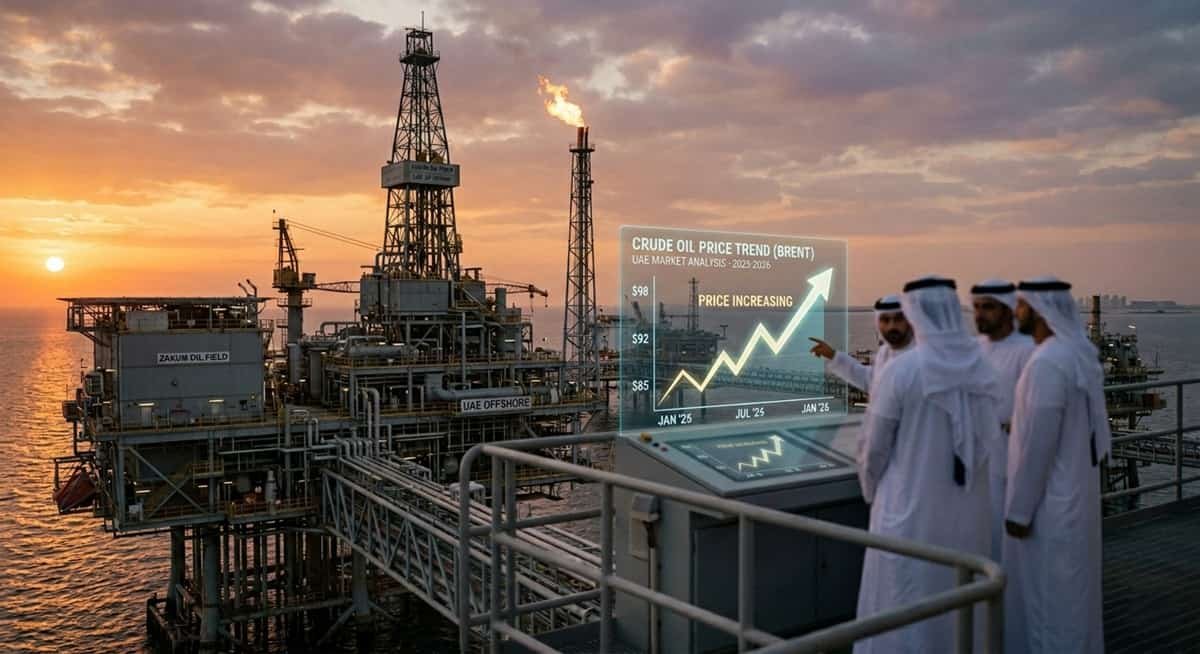
Why the UAE Left OPEC?
UAE Leaves OPEC: A Strategic Shift in a Volatile Energy Landscape
The United Arab Emirates stunned global markets with its April 28 decision to exit OPEC. However, this move did not come out of nowhere. Instead, it reflects years of frustration with production limits and rising geopolitical tensions. Over time, these pressures built steadily. Eventually, a major regional conflict pushed the UAE to act decisively.
For years, the UAE resisted OPEC’s strict quotas. At the same time, its relationship with Saudi Arabia grew increasingly strained. Although disagreements existed before, recent events intensified the divide. In particular, conflict involving Iran reshaped the UAE’s priorities.
“Take the Money and Run”: A New Economic Reality
Why the UAE Left OPEC: According to Steve H. Hanke, a professor at Johns Hopkins University, the war changed everything overnight. He argues that the UAE adopted a clear strategy: maximize oil revenues immediately.
“The war forced the UAE to prioritize immediate gains,” Hanke explains. Previously, OPEC quotas limited production. Now, geopolitical risks pose a far greater threat. As a result, waiting to extract oil may no longer make financial sense.
Although the UAE avoided mentioning the conflict publicly, its actions suggest urgency. Its official statement emphasized long-term strategy and economic goals. Nevertheless, the underlying message was clear. The country wants to increase production and act independently.
A Carefully Worded Exit Strategy
In its official announcement, the UAE framed the decision cautiously. It highlighted its evolving energy profile and long-term vision. Moreover, it stressed increased investment in domestic energy production.
At the same time, the UAE reassured global markets. It promised to raise output gradually and align supply with demand. This measured tone aimed to prevent panic in oil markets. However, analysts see beyond the language. They interpret the move as a decisive break from OPEC constraints.
Economic Logic Behind Faster Oil Production
Hanke’s earlier work helps explain the UAE’s thinking. During his time advising the country, he developed a model for optimal oil production. This model focused on future price expectations.
If oil prices are expected to rise, countries should slow production. Conversely, if prices are likely to fall, they should increase output quickly. This approach maximizes profits over time.
“The concept is simple,” Hanke notes. “Higher future prices encourage patience. Lower future prices demand urgency.” UAE leaders found this reasoning compelling. Over time, global trends reinforced their concerns.
Energy Transition Raises Long-Term Risks
Around 2021, the UAE began pushing for higher production quotas within OPEC. This shift reflected growing anxiety about the future of fossil fuels. Specifically, the rise of renewable energy threatened long-term oil demand.
The UAE recognized these changes early. Consequently, it invested heavily in clean energy projects. These included solar power, sustainable aviation fuel, and hydrogen technology. While these investments prepare for the future, they also highlight a key risk.
As green energy expands, real oil prices may decline. Therefore, holding reserves underground becomes less attractive. Instead, producing and selling oil now offers greater value.
Tensions With Saudi Arabia Intensify
The UAE’s push for higher output created friction with Saudi Arabia. As OPEC’s dominant player, Saudi Arabia prefers controlled production. This strategy helps stabilize prices.
However, the UAE sought greater flexibility. It aimed to utilize its expanded production capacity fully. These conflicting goals strained their partnership.
Additionally, geopolitical disagreements worsened the situation. The two nations supported opposing sides in regional conflicts, including those in Yemen and Sudan. Furthermore, diplomatic moves involving Israel and Somaliland deepened tensions. Over time, these disputes eroded trust.
War With Iran Changes Everything
The situation escalated dramatically when Iran targeted the UAE energy infrastructure. Drone and missile attacks struck key facilities, causing significant damage. For example, fires broke out at the Ruwais refinery, one of the world’s largest.
Moreover, the Port of Fujairah, a critical export hub, faced disruptions. Although the UAE continues some exports through alternative routes, its logistics remain constrained. As a result, the risks associated with future production have increased sharply.
This new reality transformed the UAE’s economic calculations. Previously, the main concern was declining oil prices. Now, the country faces potential supply disruptions and limited market access.
Rising Discount Rates and Urgent Decisions
Hanke explains this shift using the concept of discount rates. Essentially, future oil revenues are now less valuable due to increased risk. Therefore, the “present value” of oil has dropped significantly.
In simple terms, oil in the ground is losing value faster than before. Consequently, the UAE has a strong incentive to extract and sell it immediately.
“The logic is unavoidable,” Hanke says. “When future risks rise, you accelerate production.” This reasoning aligns perfectly with the UAE’s decision to leave OPEC.
Breaking Free From OPEC Constraints
By exiting OPEC, the UAE gains full control over its production levels. It no longer needs to comply with quotas that limit output. Instead, it can respond directly to market conditions and geopolitical risks.
This newfound flexibility allows the UAE to implement its “produce now” strategy effectively. Moreover, it positions the country to maximize short-term revenues while uncertainties remain high.
A Defining Moment in Energy Politics
The UAE’s departure marks a significant turning point. For nearly 60 years, it remained a committed OPEC member. However, shifting economic realities and geopolitical threats forced a reassessment.
This decision highlights the complex interplay between energy markets and global politics. It also underscores the growing influence of renewable energy on traditional oil strategies.
Ultimately, the UAE chose pragmatism over tradition. Faced with uncertain future demand and rising regional risks, it opted to act decisively. The message is clear: when the future looks unstable, immediate action becomes essential.
As global energy dynamics continue to evolve, this move may inspire other nations to reconsider their strategies. For now, the UAE has made its position unmistakable. It will prioritize present opportunities over future uncertainties—and reshape its role in the global oil market accordingly.
These are the reasons why the UAE Left OPEC.